
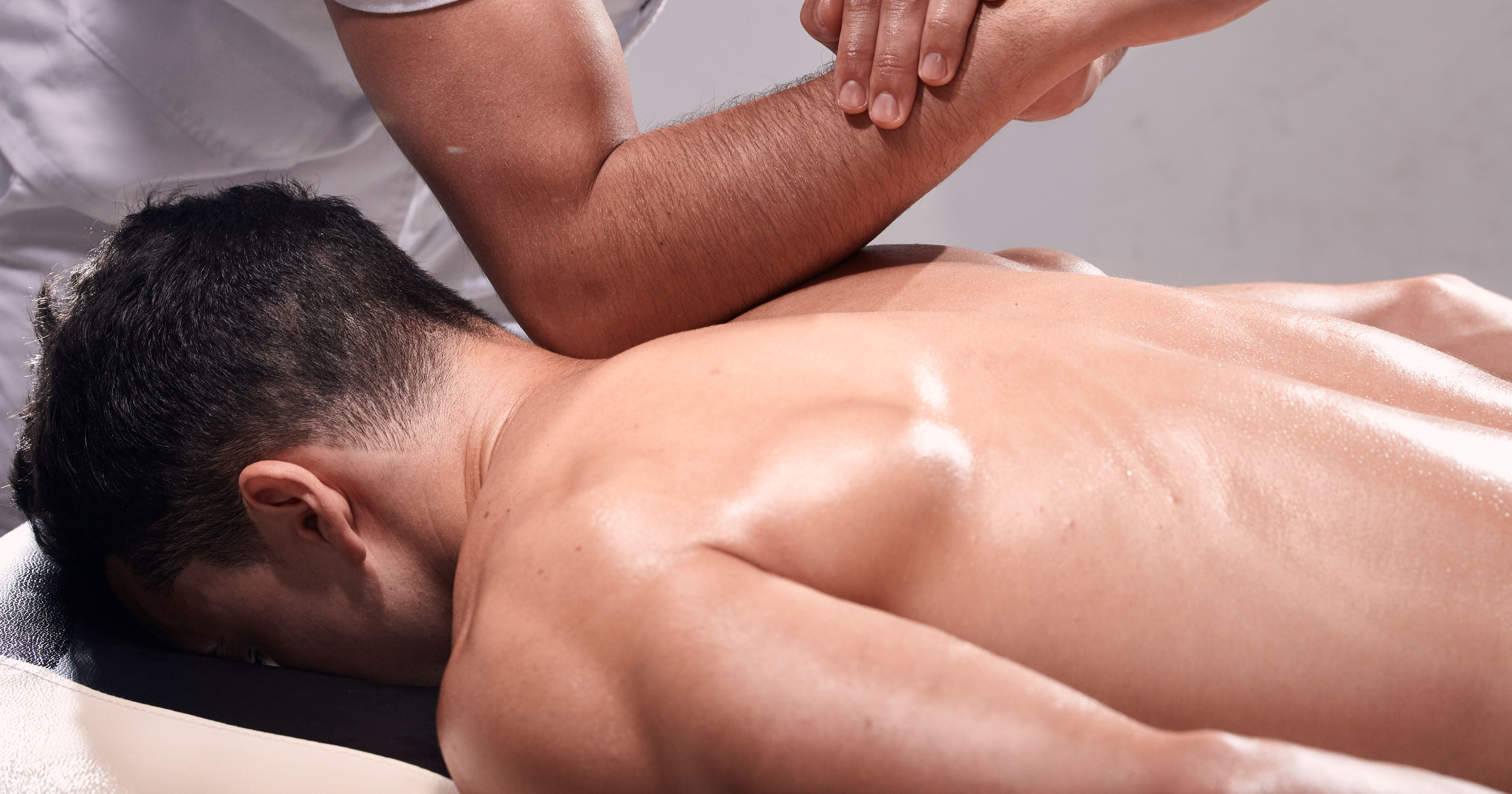
Whether you're experiencing persistent muscle tension, neck and back discomfort, or everyday stress, therapeutic massage may help improve your physical comfort and overall well-being. For residents of Half Moon Bay and surrounding Coastside communities, massage therapy offers a hands-on approach to managing muscular discomfort, promoting relaxation, and supporting comfortable movement.
Therapeutic massage is a form of soft tissue care that uses targeted massage techniques to help reduce muscle tension, alleviate certain types of musculoskeletal pain, and promote relaxation. Unlike massage focused primarily on relaxation, therapeutic massage can be tailored to address specific areas of tightness, tenderness, and movement-related discomfort.
From long hours sitting at a desk to physically demanding activities such as surfing, hiking, cycling, and gardening, everyday routines can place stress on muscles and surrounding soft tissues. Over time, this may contribute to stiffness, soreness, and reduced comfort during daily activities.
Research suggests that massage therapy may provide short-term relief for certain pain conditions and improve some measures of flexibility and exercise-related soreness, although individual results vary. [1]
At Newbold Chiropractic in Half Moon Bay, CA, we offer personalized therapeutic massage services designed around each individual's needs and comfort level. Our practice serves patients throughout Half Moon Bay, El Granada, Moss Beach, Montara, and neighboring Coastside communities.
In this article, we'll explore five potential benefits of therapeutic massage, the different massage techniques available, and how massage therapy may complement chiropractic care.
5 Benefits of Therapeutic Massage
1. Helps Relieve Muscle Tension and Stiffness
Muscle tension and stiffness are among the most common reasons people seek therapeutic massage. Whether associated with prolonged sitting, repetitive movements, physical activity, or everyday stress, tight muscles can contribute to discomfort and make routine activities less comfortable.
Therapeutic massage may help relieve muscle tension and stiffness by applying targeted pressure and soft tissue techniques to areas of muscular tightness. These techniques can promote relaxation, reduce perceived tension, and help individuals feel more comfortable during movement.
Common areas that may benefit from therapeutic massage include:
- Neck and shoulders: Tightness associated with computer work, prolonged phone use, and sustained postures.
- Upper and middle back: Tension related to repetitive activities, physical demands, and extended periods of sitting.
- Lower back: Muscular stiffness associated with lifting, prolonged sitting, or strenuous activity.
- Hips and legs: Tightness and soreness following exercise, walking, hiking, or other recreational activities.
How Does Therapeutic Massage Help Tight Muscles?
Massage techniques such as Swedish massage, deep tissue massage, and targeted trigger point work use varying degrees of pressure to address areas of muscular tightness and tenderness.
The appropriate technique depends on an individual's symptoms, comfort level, and treatment goals. Some people benefit from lighter, flowing strokes that encourage relaxation, while others prefer focused pressure directed toward specific areas of discomfort.
Research reviewed by the National Institutes of Health suggests massage therapy may provide short-term relief for certain musculoskeletal pain conditions, although the strength of evidence varies. [1]
At Newbold Chiropractic, therapeutic massage sessions are tailored to each individual's needs, whether the goal is to address localized muscle tension, reduce stiffness, or promote overall relaxation.
2. May Help Reduce Neck, Shoulder, and Back Pain
Neck, shoulder, and back pain are common musculoskeletal complaints that can interfere with work, sleep, exercise, and everyday activities. Prolonged sitting, repetitive movements, physical exertion, and muscular tension may all contribute to discomfort.
Therapeutic massage may help reduce certain types of neck, shoulder, and back pain by addressing muscle tension, tenderness, and soft tissue discomfort.
For individuals seeking a noninvasive approach to managing muscle-related pain, massage therapy may offer short-term relief.
How Can Therapeutic Massage Help With Back and Neck Pain?
Massage therapy uses targeted soft tissue techniques to address areas of muscular tightness and discomfort.
Depending on an individual's needs, treatment may focus on:
- Neck pain: Addressing muscular tension associated with computer work, prolonged sitting, and sustained head positions.
- Shoulder discomfort: Targeting tightness around the shoulders and upper back associated with repetitive movements or physical exertion.
- Upper and middle back pain: Helping relieve muscular stiffness that may develop from prolonged postures or physical activity.
- Lower back pain: Providing potential short-term relief for muscle-related discomfort that interferes with bending, standing, or walking.
A Cochrane systematic review examining massage for low back pain found evidence of short-term improvements in pain for some individuals. However, the researchers rated the overall evidence as low to very low quality, and long-term benefits remain uncertain. [2]
Therapeutic Massage as Part of Musculoskeletal Care
Not all neck, shoulder, or back pain originates from muscles. Joint-related dysfunction, nerve irritation, injuries, and other medical conditions may also contribute to symptoms.
At Newbold Chiropractic, therapeutic massage can complement chiropractic care when clinically appropriate.
Chiropractic treatment focuses on evaluating and managing musculoskeletal conditions, including joint-related movement restrictions, while massage therapy primarily addresses muscles and surrounding soft tissues.
By considering both muscular discomfort and joint function, patients can receive individualized recommendations based on their specific needs.
Persistent or worsening pain, numbness, weakness, radiating symptoms, or pain following a significant injury should be evaluated by an appropriate healthcare professional.
3. Supports Flexibility and Comfortable Movement
Muscle tightness and stiffness can make everyday movements feel restricted or uncomfortable. Whether you're bending, reaching, turning your neck, exercising, or participating in recreational activities, comfortable movement depends on the coordinated function of muscles, joints, and surrounding soft tissues.
Therapeutic massage may help improve short-term flexibility and range of motion by reducing perceived muscle tightness and addressing soft tissue discomfort.
When muscles feel less tense, certain movements may become easier and more comfortable.
Can Therapeutic Massage Improve Flexibility and Mobility?
Depending on individual needs, therapeutic massage may help address:
- Neck mobility: Muscular tightness that makes turning the head or looking over the shoulder uncomfortable.
- Shoulder flexibility: Tension around the shoulders, chest, and upper back that may affect reaching movements.
- Back mobility: Stiffness associated with bending, twisting, and everyday physical activities.
- Hip and leg flexibility: Muscular tightness that contributes to discomfort during walking, hiking, cycling, or exercise.
A systematic review and meta-analysis published in BMJ Open Sport & Exercise Medicine examined 29 studies involving 1,012 participants. Researchers found that sports massage was associated with small but statistically significant improvements in flexibility. However, they did not find evidence that massage directly improved athletic performance. [3]
These findings suggest that massage may be useful as part of a broader approach to maintaining mobility, particularly when combined with appropriate stretching, strengthening, and regular physical activity.
Supporting an Active Lifestyle in Half Moon Bay
Living on the Coastside provides opportunities to stay active through surfing, hiking, cycling, golfing, and other recreational activities.
Although these activities offer important health benefits, repetitive movements and physical exertion can sometimes contribute to muscular soreness and stiffness.
Therapeutic massage may help active individuals manage muscle-related discomfort and maintain greater comfort during recreational activities.
It may also benefit people whose daily routines involve prolonged sitting, standing, or repetitive physical tasks.
At Newbold Chiropractic, massage sessions can focus on areas of muscular tightness and discomfort that may affect everyday movement.
While massage may provide temporary improvements in flexibility and comfort, lasting mobility improvements often require regular movement, exercise, and appropriate rehabilitation when needed.
4. Promotes Relaxation and Helps Manage Stress
Stress is a common part of everyday life, whether it comes from demanding work schedules, family responsibilities, or maintaining a busy lifestyle.
Although stress is often associated with emotional well-being, it can also contribute to physical symptoms, including muscle tension, headaches, fatigue, and discomfort.
Therapeutic massage may help promote relaxation, reduce perceived stress, and ease muscular tension through gentle or targeted soft tissue techniques.
In addition to addressing areas of discomfort, massage provides an opportunity to relax and temporarily step away from daily physical and mental demands.
How Does Therapeutic Massage Help With Stress?
Stress and muscular tension can influence one another. During stressful periods, some individuals experience increased tightness in the neck, shoulders, upper back, and jaw.
Therapeutic massage may support relaxation and stress management in several ways:
- Reduces perceived muscle tension: Massage may help relieve tightness in areas commonly affected by stress.
- Encourages physical relaxation: A comfortable massage session can provide a calming experience.
- Supports emotional well-being: Some individuals report temporary improvements in mood and perceived stress after massage.
- Helps establish a self-care routine: Scheduling time for relaxation may encourage greater attention to physical comfort and overall wellness.
Research summarized by the National Center for Complementary and Integrative Health suggests that massage may help with anxiety and stress-related symptoms in certain populations, although findings are mixed and the evidence is not equally strong for all conditions. [1]
Massage should be considered a complementary wellness approach rather than a replacement for appropriate medical or mental health treatment.
Making Relaxation Part of Your Wellness Routine
For individuals balancing demanding schedules, family responsibilities, or physically challenging activities, therapeutic massage may provide a useful opportunity to prioritize relaxation.
Swedish massage may be appropriate for those seeking a gentler experience, while targeted soft tissue techniques may be selected for specific areas of muscular tightness.
Regular exercise, adequate sleep, healthy daily habits, and stress management remain important components of overall well-being.
Therapeutic massage can complement these practices by offering a relaxing, hands-on approach to managing muscular discomfort.
5. May Support Recovery After Physical Activity
Whether you're surfing along the Half Moon Bay coastline, hiking local trails, cycling, golfing, or following a regular fitness routine, physical activity places demands on muscles and surrounding soft tissues.
While exercise is essential for maintaining strength, mobility, and overall health, strenuous or unfamiliar activities can sometimes lead to muscle soreness, stiffness, and temporary discomfort.
Therapeutic massage may help reduce post-exercise muscle soreness, relieve muscular tension, and improve perceived recovery following physical activity.
Can Therapeutic Massage Help With Muscle Recovery?
After strenuous exercise, some individuals experience delayed-onset muscle soreness (DOMS), which typically develops within 12–24 hours and may peak approximately 24–72 hours after activity.
This soreness is particularly common following unfamiliar exercises or activities involving repeated muscle lengthening under tension.
Therapeutic massage may support post-exercise comfort by:
- Reducing perceived muscle soreness: Helping decrease the intensity of discomfort following strenuous exercise.
- Relieving muscular tightness: Addressing areas of stiffness and tenderness in overworked muscles.
- Supporting comfortable movement: Making certain everyday activities feel easier as soreness subsides.
- Promoting relaxation: Providing a calming experience after physically demanding activities.
A systematic review and meta-analysis published in Frontiers in Physiology found that massage was associated with reduced delayed-onset muscle soreness following strenuous exercise. [4]
Additional research found modest improvements in soreness and flexibility but no consistent improvements in strength, sprinting, endurance, or other athletic performance measures. [3]
These findings suggest that massage may help manage exercise-related discomfort, but it does not guarantee faster tissue healing or prevent sports injuries.
Therapeutic Massage for an Active Coastside Lifestyle
Half Moon Bay offers numerous opportunities for outdoor recreation. Activities such as surfing, hiking, cycling, and recreational sports can involve repetitive movements, sustained postures, and physical exertion.
For active individuals, therapeutic massage may be a useful addition to a recovery routine, especially when experiencing muscle tightness or soreness after exercise.
Massage therapy is best used as part of a balanced recovery approach that includes adequate rest, sleep, nutrition, hydration, and gradual progression of physical activity.
Individuals experiencing significant pain, swelling, weakness, or a suspected injury should seek an appropriate clinical evaluation rather than relying on massage alone.
What Types of Therapeutic Massage Are Available at Newbold Chiropractic?
Not all massage techniques are the same. Different approaches may be used depending on muscle tension, areas of discomfort, activity level, and personal preferences.
At Newbold Chiropractic in Half Moon Bay, therapeutic massage sessions can incorporate techniques focused on relaxation, muscle tension, and physical comfort.
Swedish Massage: Relaxation and General Muscle Tension
Swedish massage uses flowing strokes, kneading, and gentle to moderate pressure to promote relaxation and address general muscular tension.
It is often suitable for individuals seeking stress relief, experiencing mild muscle tightness, or preferring a gentler massage experience.
Deep Tissue Massage: Targeted Muscle Tightness
Deep tissue massage uses slower, more focused techniques to address areas of persistent muscular tightness and tenderness.
Pressure is adjusted according to the individual's comfort and the areas being treated.
This approach may be appropriate for muscle-related discomfort associated with prolonged sitting, repetitive movements, or physical activity.
Deep tissue massage does not need to be painful to be effective. Appropriate pressure should remain comfortable and tolerable.
Trigger Point Techniques: Localized Muscle Tenderness
Trigger point techniques focus on specific areas of muscular tenderness that may contribute to localized discomfort or referred pain.
These techniques involve applying controlled, focused pressure to sensitive areas of soft tissue.
Trigger point work may be incorporated into a therapeutic massage session when localized muscular tenderness is identified.
Sports Massage: Supporting Active Individuals
Sports massage focuses on muscle groups commonly involved in exercise, athletics, and recreational activities.
It may incorporate techniques intended to reduce perceived muscle soreness, address tightness, and support comfortable movement.
For individuals who enjoy surfing, hiking, cycling, golfing, and other Coastside activities, sports massage may be a useful addition to an overall recovery routine.
Which Type of Massage Is Right for You?
The most appropriate massage technique depends on your symptoms, comfort level, and treatment goals.
Some individuals prefer lighter pressure for relaxation, while others benefit from more focused techniques directed toward specific areas of muscular tension.
At Newbold Chiropractic, sessions can incorporate different techniques based on individual preferences and areas of discomfort.
Therapeutic Massage vs. Chiropractic Care: What's the Difference?
Therapeutic massage and chiropractic care are both hands-on approaches to musculoskeletal health, but they differ in their primary focus and treatment methods.
Therapeutic massage primarily focuses on muscles and surrounding soft tissues, while chiropractic care involves evaluating and managing musculoskeletal conditions, including joint-related movement restrictions and spinal dysfunction.
Depending on individual needs, these approaches may be used separately or as complementary components of a treatment plan.
How Does Therapeutic Massage Differ From Chiropractic Treatment?
Therapeutic massage uses techniques such as Swedish massage, deep tissue massage, and targeted soft tissue work to address muscular tightness, tenderness, and discomfort.
Chiropractic care focuses on the assessment and management of musculoskeletal conditions involving the spine, joints, muscles, and related structures.
Chiropractic treatment may include spinal manipulation, joint mobilization, therapeutic exercises, and other conservative approaches intended to improve function and manage discomfort.
For example, an individual experiencing shoulder tightness associated with prolonged computer use may benefit from therapeutic massage to address muscular tension.
Someone experiencing persistent neck or back pain associated with joint-related movement restrictions may benefit from a chiropractic evaluation to determine an appropriate treatment approach.
Can Chiropractic Care and Massage Therapy Work Together?
Yes. Chiropractic care and therapeutic massage may complement one another when clinically appropriate because they can address different aspects of musculoskeletal discomfort.
Massage therapy may focus on reducing muscle tightness and tenderness, while chiropractic treatment may address joint-related movement restrictions and other musculoskeletal concerns.
However, combining these services does not automatically produce better outcomes for every condition. The most appropriate approach depends on individual symptoms, examination findings, preferences, and clinical needs.
At Newbold Chiropractic, chiropractic care is provided under the direction of Dr. Sidhartha Jandial, DC, with therapeutic massage available as an additional service for individuals seeking soft tissue care.
Who May Benefit From Therapeutic Massage in Half Moon Bay?
Therapeutic massage may be appropriate for people with different lifestyles, activity levels, and physical needs.
Potential candidates include:
- Office workers: Individuals experiencing neck, shoulder, or upper back tightness associated with prolonged sitting and computer work.
- Active adults and recreational athletes: People experiencing muscle soreness or stiffness following exercise and physical activity.
- Individuals with muscle-related discomfort: Those seeking short-term relief from certain types of neck, shoulder, or back discomfort.
- People seeking relaxation: Individuals interested in reducing perceived stress and muscular tension.
The most appropriate massage technique depends on individual symptoms, medical history, comfort level, and treatment goals.
Frequently Asked Questions About Massage Therapy in Half Moon Bay
What is the difference between therapeutic massage and relaxation massage?
Therapeutic massage focuses on specific areas of muscle tension, stiffness, or discomfort using targeted soft tissue techniques. Relaxation massage generally emphasizes reducing perceived stress and promoting overall relaxation. Both approaches may use similar techniques, and sessions can be customized to address individual needs.
Can therapeutic massage help with chronic back pain?
Therapeutic massage may provide short-term relief for some individuals experiencing chronic low back pain, particularly when muscular tension contributes to discomfort. Research suggests that benefits vary and long-term effectiveness remains uncertain. Persistent or worsening back pain should be evaluated by a qualified healthcare professional. [2]
How often should I schedule therapeutic massage?
Massage frequency depends on your symptoms, activity level, goals, and response to treatment. Some individuals prefer occasional sessions for relaxation, while others choose more frequent appointments to manage muscle-related discomfort. There is no universally recommended schedule, so frequency should be individualized.
Is deep tissue massage better than Swedish massage?
Neither technique is necessarily better for everyone. Deep tissue massage uses focused pressure to address areas of muscular tightness, while Swedish massage typically uses lighter, flowing techniques to promote relaxation. The best approach depends on your needs, preferences, and pressure tolerance.
Can I receive massage therapy and chiropractic care at the same practice?
Yes. Newbold Chiropractic in Half Moon Bay offers both chiropractic care and therapeutic massage services. Chiropractic care focuses on evaluating and managing musculoskeletal conditions, while therapeutic massage primarily addresses muscles and surrounding soft tissues. These services may complement one another when clinically appropriate.
Where can I schedule therapeutic massage in Half Moon Bay?
You can schedule therapeutic massage at Newbold Chiropractic in Half Moon Bay, California. Our practice welcomes individuals from Half Moon Bay, El Granada, Moss Beach, Montara, and nearby Coastside communities. Sessions can incorporate Swedish massage, deep tissue techniques, trigger point work, or sports massage based on individual needs.
Schedule Massage Therapy at Newbold Chiropractic in Half Moon Bay
Whether you're experiencing muscle tension, neck and back discomfort, exercise-related soreness, or everyday stress, therapeutic massage may help you feel more comfortable, relaxed, and mobile.
At Newbold Chiropractic in Half Moon Bay, CA, we offer personalized therapeutic massage services, including Swedish massage, deep tissue massage, trigger point techniques, and sports massage. Our sessions are tailored to your individual needs, whether you're seeking relief from muscular tightness, improved comfort during daily activities, or relaxation.
In addition to therapeutic massage, our practice provides chiropractic care under the direction of Dr. Sidhartha Jandial, DC, offering patients access to complementary musculoskeletal services when appropriate.
We proudly serve individuals and families throughout Half Moon Bay, El Granada, Moss Beach, Montara, and surrounding Coastside communities.
Ready to Experience the Benefits of Therapeutic Massage?
Take the next step toward greater comfort and relaxation.
Schedule your massage therapy appointment at Newbold Chiropractic today!
Call us at 650-726-3300 or visit www.newboldchiropractic.com to learn more about our massage services and schedule your appointment online.
We look forward to welcoming you to Newbold Chiropractic!
References
-
National Center for Complementary and Integrative Health (NCCIH). Massage Therapy: What You Need to Know. National Institutes of Health.
https://www.nccih.nih.gov/health/massage-therapy-what-you-need-to-know -
Furlan AD, Giraldo M, Baskwill A, Irvin E, Imamura M. Massage for Low-Back Pain. Cochrane Database of Systematic Reviews. 2015;(9).
https://doi.org/10.1002/14651858.CD001929.pub3 -
Davis HL, Alabed S, Chico TJA. Effect of Sports Massage on Performance and Recovery: A Systematic Review and Meta-Analysis. BMJ Open Sport & Exercise Medicine. 2020;6(1).
https://doi.org/10.1136/bmjsem-2019-000614 -
Guo J, Li L, Gong Y, et al. Massage Alleviates Delayed Onset Muscle Soreness After Strenuous Exercise: A Systematic Review and Meta-Analysis. Frontiers in Physiology. 2017;8:747.
https://doi.org/10.3389/fphys.2017.00747

Dr. Sidhartha Jandial, DC
Dr. Sidhartha Jandial, DC, is a board-certified chiropractor dedicated to improving mobility, reducing pain, and enhancing overall wellness through evidence-informed care. He specializes in helping individuals of all activity levels achieve optimal health and long-lasting results.
Latest Posts
Massage Therapy in Half Moon Bay, CA
November 04, 2026